



 PREMIUM
 [article_total_comments]



Generational Influence on the Swingers Lifestyle
As we meet adventurous couples and curious newcomers at events around the globe, one question keeps popping up: how do generational shifts shape the future of the lifestyle and lifestyle travel?
Every generation grows up under its own mix of world events, media, technology, and economic pressures. Those shared influences quietly shape how people view relationships, freedom, identity, and intimacy. And while no two people are the same (thankfully), patterns do emerge.
The lifestyle isn't separate from society, it evolves with it. So looking at generational trends gives us a fascinating glimpse into where things have been... and where they're likely headed next.
The Generational Lineup
There are five widely recognized generations shaping today's social landscape:
- Traditionalists (Silent Generation)
- Baby Boomers
- Generation X
- Millenials (Gen Y)
- Gen Z
Broadly speaking, the three major forces shaping generational behavior are parenting styles, technology, and economics. Those influences impact everything, including how people approach relationships and sexuality.
And heres the key point: people in the lifestyle aren't radically different from anyone else. They simply have a different cultural perspective on monogamy and intimacy. So when generational attitudes shift in the broader culture, they ripple into the lifestyle as well.
Traditionalists: The Quiet Rebels
It may surprise some, but forms of consensual non-monogamy were present even among the Traditionalist generation. During times of war, especially within certain military circles, "live for today" attitudes flourished. In the face of uncertainty, some couples adopted unconventional arrangements that prioritized connection and trust of rigid social norms.
Despite the era's conservative reputation, not every relationship fit neatly into a single mold.
Baby Boomers: Free Love Goes Mainstream
The sexual revolution of the 1960s and 70s dramatically reshaped public attitudes toward intimacy. The "free love" movement challenege long-standing norms, while improved contraception gave couples more control and freedom.
During this time, swinging became more visible and socially organized. What had once been whispered about began finding communities, clubs, and networks. The idea that adults could consensually explore beyond tradiottional boundaries became less taboo and more discussed, at least in certain circles.
Generation X: The Internet Changes Everything
Then came the late 1990s and early 2000s, and with it: the internet.
Generation X entered adulthood right as online communities began forming. Suddenly, people didn't have to rely solely on local networks or word of mouth. They could connect discreetly, explore safely, and find like-minded couples across cities or continents.
This digital shift normalized conversation and made access easier than ever before. Privacy improved. Options expanded. The lifestyle became more global.
Millennials: Visual, Social, Experience-Driven
Millenials came of age with texting, social media, and constant connectivity. They value transparency, authenticity, and experiences over possessions.
In the lifestyle, that translate into a desire for community, communication, and curated events. This generation does its research. They read reviews, wanting to know what to expect and it being worth their time.
For Millenials, travel isn't just a vacation. It's a story to tell, a memory to create, and an experience to share.
Gen Z: Digital Natives & Bold Energy
Gen Z has never known a world without smartphones and social media. They are highly informed, socially aware, and comfortable discussing topics that older generations may have tiptoed around.
They've grown up in a time of expanding conversations around identity and consent, and fluidity and alternative relationship structures. Because of that, stigma surrounding non-traditional lifestyles continues to shrink.
As this generation matures, they are likely to approach the lifestyle with confidence, curiosity, and a strong emphasis on communication and boundaries. They're used to clicking, connecting, and building communities fast. That agility may reshape how lifestyle travel and events evolve in the coming years.
Social Media & Lifestyle Travel: The Experience Era
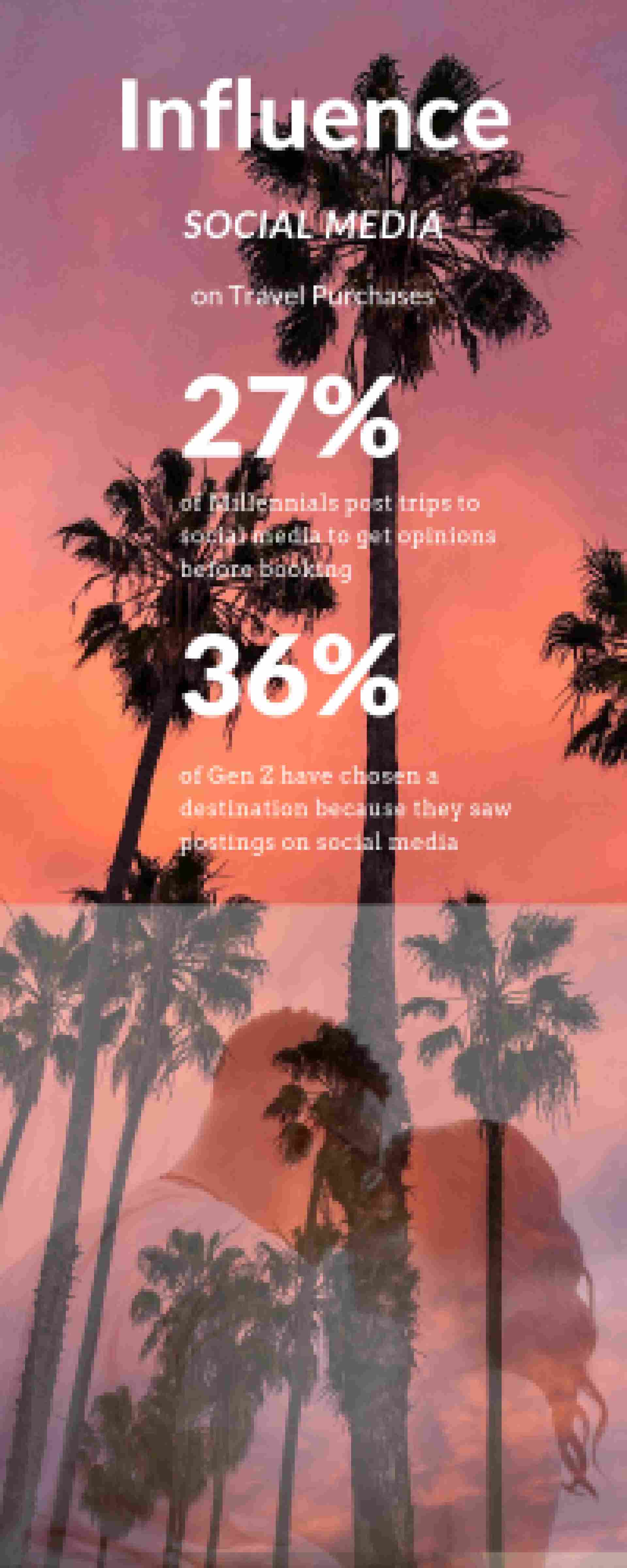 Across generations, one trend stands out: people increasingly value experiences over things.
Research shows younger travelers often rely heavily on reviews, recommendations, and social media when choosing trips. Many Millenials crowdsource opinions before booking. A significant percentage of Gen Z travelers say online content directly influences their destination choices.
In other words: the internet isn't just for scrolling. It's shaping travel decisions in real time.
When planning lifestyle events, organizers pay close attention to these trends. Location, accessibility, reliable WiFi, all of these things matter. Event length matters too, with some preferring immersive week-long escapes while others lean toward long-weekend adventures that fit busy schedules.
Different generations priortize different details, but the underlying goal is the same: meaningful, well organized experiences that feel worth the investment.
Past, Present, & What's Next
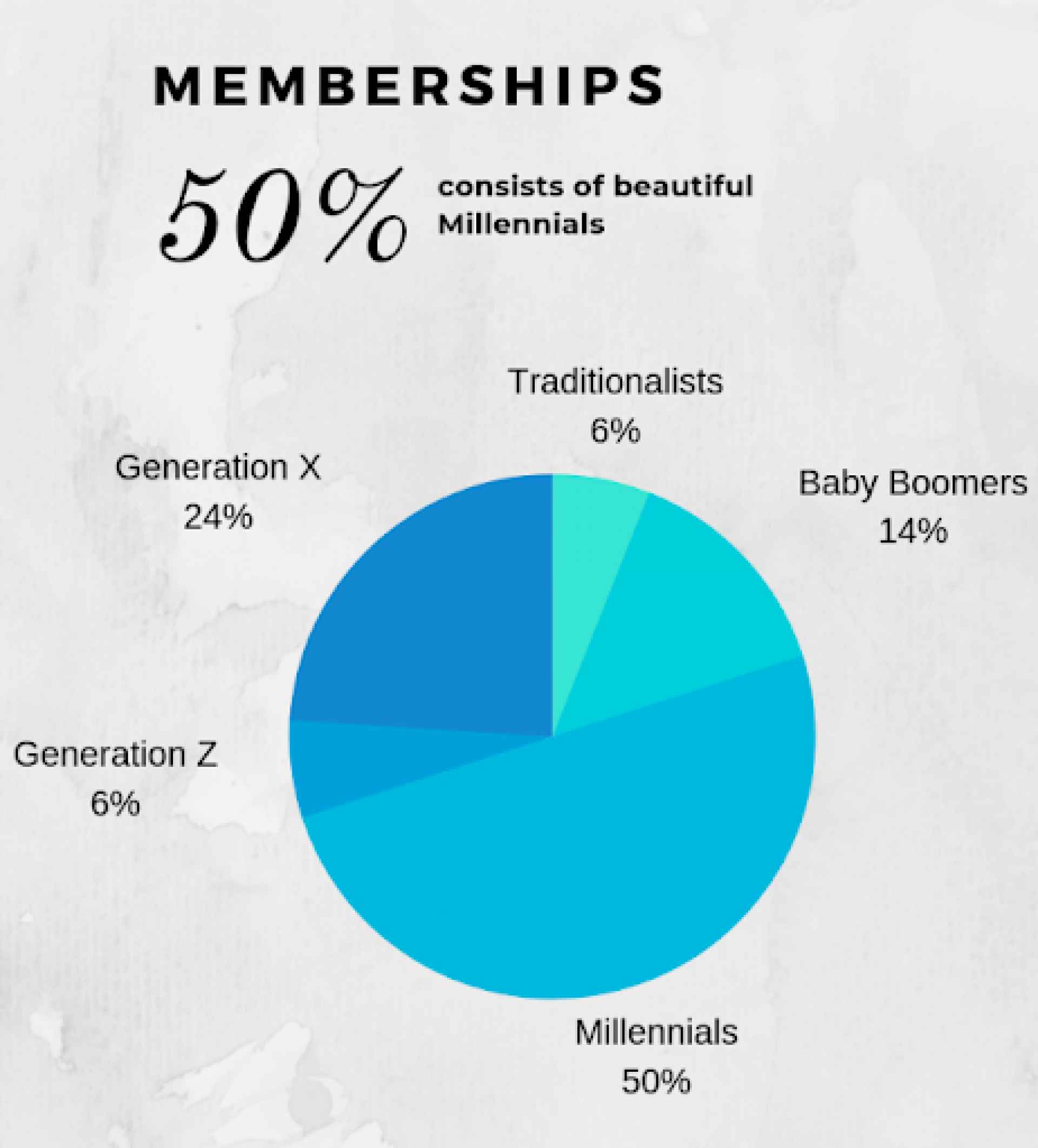
Generations move like waves.
Traditionalists and many Boomers paved the way. Generation X and Millenials currently make up a large and active segment of the lifestyle community. But the balance will inevitably shift as younger generations step in with new expectations and energy.
As Gen Z grows older, their comfort with digital platforms, emphasis on inclusivity, and openness to alternative structures will likely expand the lifestyl's reach even further.
Will everything look the same in ten years? Not a chance. Will curiosity, connection, and adventure still drive it? Absolutely.
Experiences Over Possessions
Gen Z leads in prioritizing expereinces over material goods, and Millennials aren't far behind. They research extensively, compare options, and expect transparency.
Platforms that offer real reviews, active communities, and easy mobile access tend to resonate strongest. The easier it is to connect and explore safely, the more attractive the experience becomes. The future of lifestyle travel will likely lean even more into immersive, tech-friendly, experience-driven events that balance freedom with thoughtful organization.
The Lifestyle Is Evolving, And That's a Good Thing
The lifestyle has existed for decades and continues to adapt with every generation. As conversations around relationships, autonomy, and sexuality become more open, interest isn't fading: it's evolving.
What remains constant is the desire for connection, trust, and shared adventure.
Each generation brings its own flavor, expectations, and energy. And as long as people crave meaningful experiences and authentic connections, the lifestyle will keep reinventing itself.
The future? More digital. Inclusive. Experience-focused. And very likely, more adventurous than ever.
Sources
Research by Expedia January 2018: Generations on the Move
The Center for Generational Kinetics: website Findings and report The State of Gen Z, Fall 2018
Terry Gould, The Lifestyle: a look at the erotic rites of swingers
SDC Data Analytics





 COMMENT