



 PREMIUM
 [article_total_comments]



Generational Influence on the Swingers Lifestyle
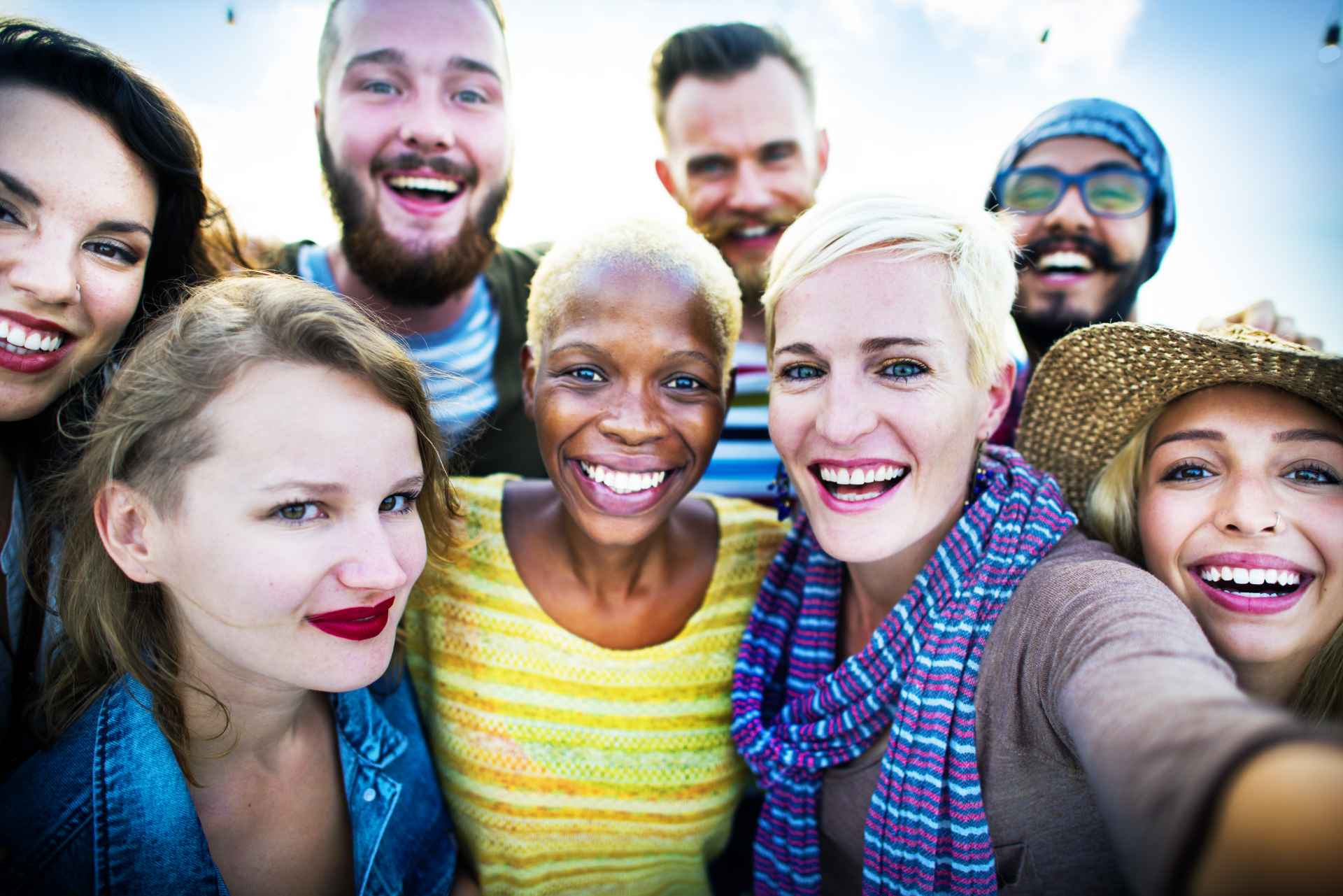
As lifestyle travelers gather at events and experiences around the world, it’s natural to wonder how generational differences may influence the future of the lifestyle and the lifestyle community as a whole.
Different generations grow up in very different environments. World events, media, technology, and culture all leave their mark, shaping how people connect, communicate, and experience intimacy.
Of course, everyone's different. But looking at generational trends does give some interesting insight into how the lifestyle has changed over time, and where it's heading next.
The Generational Lineup
There are five commonly recognized generational groups:
- Traditionalists (Silent Generation) - 1945 and earlier
- Baby Boomers - 1946 - 1964
- Generation X - 1965 - 1976
- Millenials (Gen Y) - 1977 - 1995
- Gen Z - 1996 and later
Across all generations, three major influences tend to shape behavior:
parenting, technology, and economics.
The lifestyle community isn't separate from society. It evolves right alongside it.
Traditionalists
Earlier generations grew up during a much more conservative time socially, at least on the surface.
That didn't mean curiosity or alternative dynamics didn't exist. They absolutely did. people were just far more private about it. No apps, no online groups, no social media hints accidentally exposing your entire weekend plans to coworkers.
A lot more closely trusted circles back then.
Baby Boomers
Boomers came of age during the cultural shifts of the '60s and '70s, when conversations around freedom, relationships, and sexuality started changing in a major way.
The sexual revolution opened the door for more openness overall, and a lot of the attitudes that feel relatively normal today started becoming less taboo during that era.
Basically, this generation walked so everyone else could overshare online later.
Generation X
Then came the internet, and everything changed.
Generation X saw the early days of online connection, making it easier for like-minded people to find each other without relying on a friend of a friend, who knows a guy, who knows a couple... you get the idea. Communities grew, information spread, and things became a lot more accessible.
Millennials
Millennials grew up alongside social media, smartphones, and digital communication becoming a part of everyday life.
They're heavily experience-driven, which lines up perfectly with lifestyle travel. Trips, themed weekends, events... it's all part of the appeal.
They also normalized documenting anything and everything. If they didn't post about the party they went to last weekend, did it even happen?
Gen Z
Gen Z is the first generation to grow up fully immersed in the internet from the start.
Reviews, online communities and instant access to information became second nature to them. They also tend to value authenticity and experience over status symbols.
As they become more active in the lifestyle travel, their comfort with fluid social spaces and digital communities will probably continue shaping how events and experiences evolve.
Social Media & Lifestyle Travel
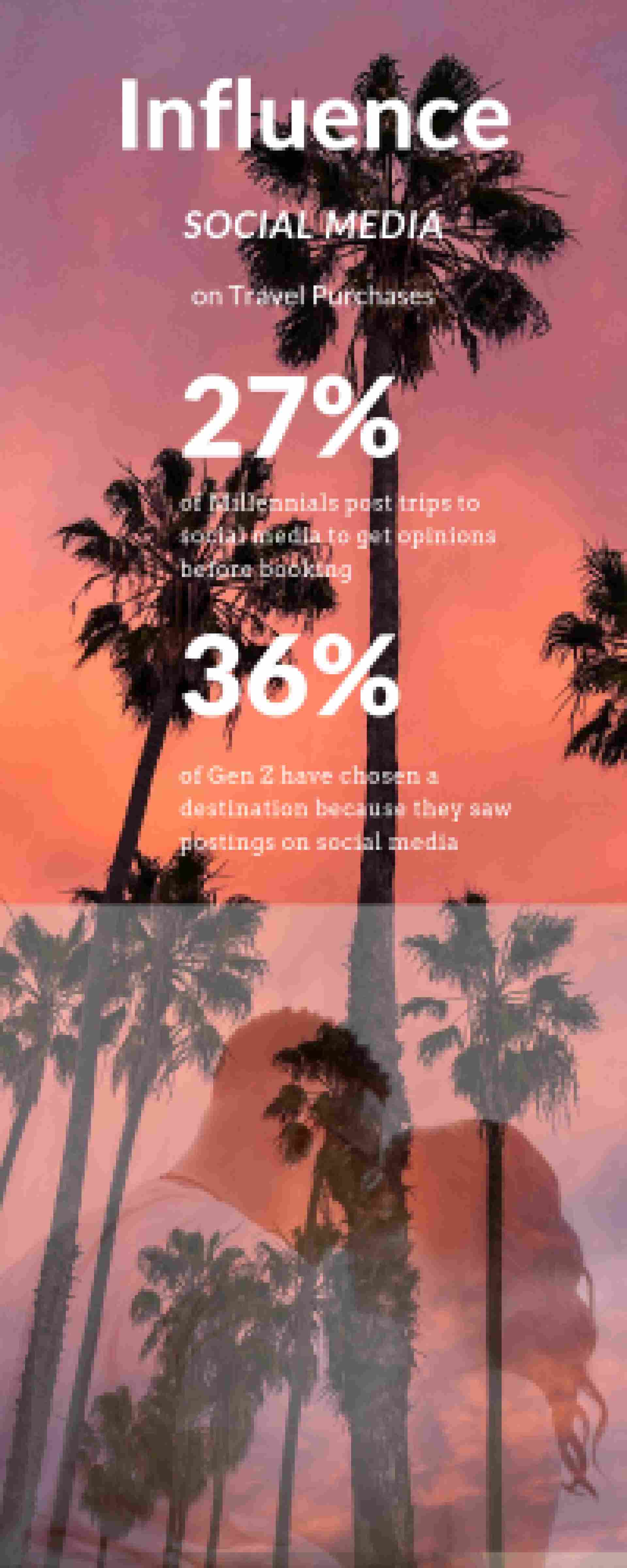 There's been a clear shift toward valuing experiences over possessions, and lifestyle travel fits right into that trend.
People discover trips through shared content, reviews, videos, recommendations, and community feedback long before they ever book anything.
Different generations engage with these platforms in different ways, but the impact is clear: visibility matters now in a way it never used to.
At the same time, dedicated communities and private platforms remain essential, because not everyone wants their personal life turning into public content.
Past, Present, & What's Next
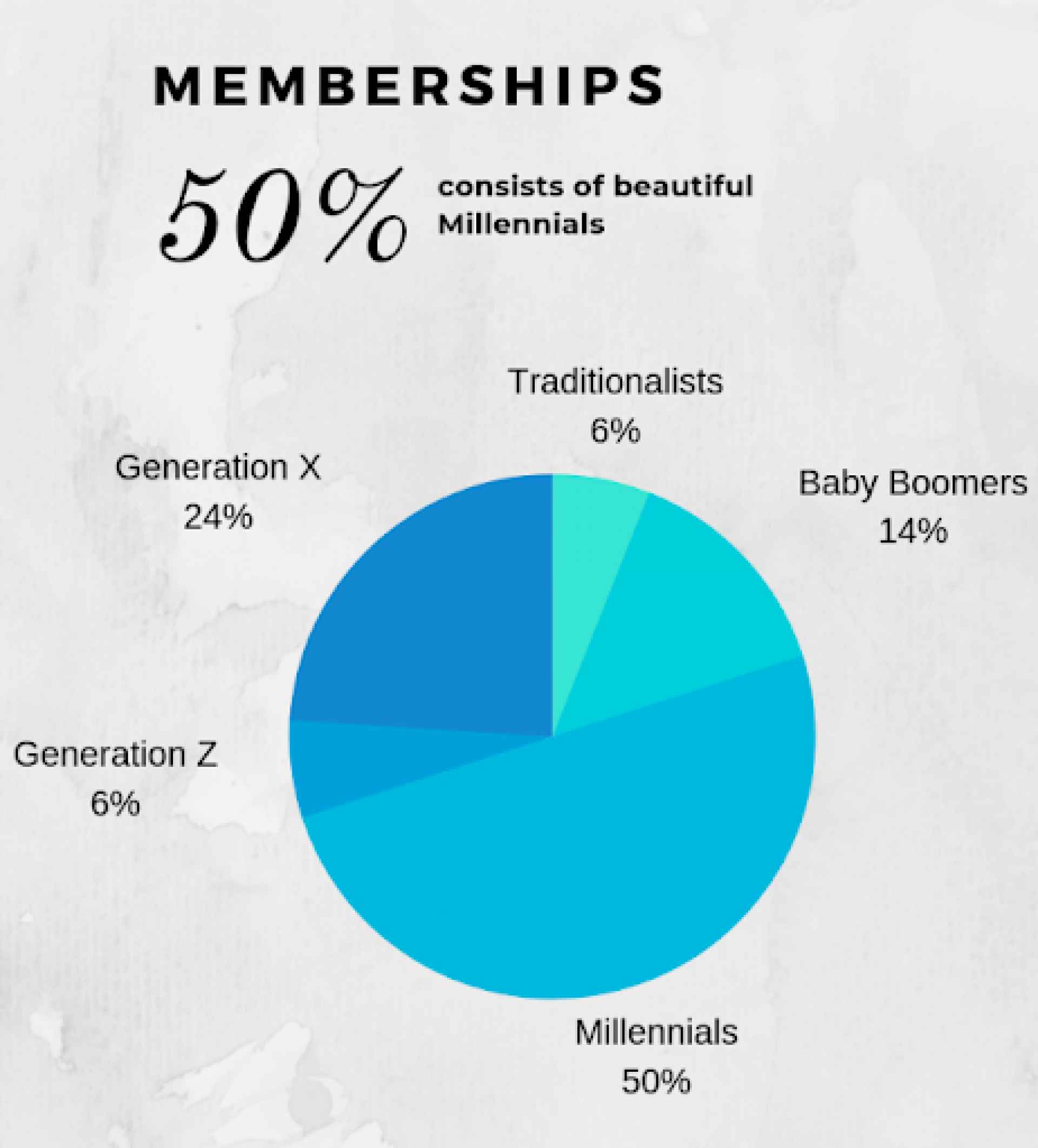
Over time, generational shifts have shaped the lifestyle community.
Older generations have gradually stepped back, while Generation X and Millenials currently make up a large part of the active community. Younger millenials and Gen Z will likely continue growing that presence moving forward.
As information becomes easier to access and conversations become more open, people are also discovering lifestyle travel earlier than previous generations did.
Trends will evolve, but one thing stays consistent: people want connection, shared experiences, and a little bit of excitment. (Okay, maybe more than a little.)
Experiences Over Possessions
Younger generations tend to prioritize experiences, reviews, and authenticity when making decisions.
Lifestyle travel aligns with this mindset, offering immersive and social driven environments rather than material-focused outcomes.
Platforms that offer real reviews, active communities, and easy mobile access tend to resonate strongest. The easier it is to connect and explore safely, the more attractive the experience becomes.
The Lifestyle Is Evolving, And That's a Good Thing
The lifestyle has existed for decades, but it never stays exactly the same.
Every generation brings different expectations, communication styles, and perspectives into the space. That constant evolution is part of why lifestyle travel continues growing instead of feeling stuck in the past.
Realistically, that's a good thing.
Because if there's one thing every generation seems to agree on, it's this: people still want connection, fun, shared experiences, and stories worth remembering.
Sources
Research by Expedia January 2018: Generations on the Move
The Center for Generational Kinetics: website Findings and report The State of Gen Z, Fall 2018
Terry Gould, The Lifestyle: a look at the erotic rites of swingers
SDC Data Analytics





 COMMENT